
Business
Why Foldable Phones Are Still a Bad Idea

The piece outlines four major compromises that make foldable phones less appealing compared to traditional smartphones:
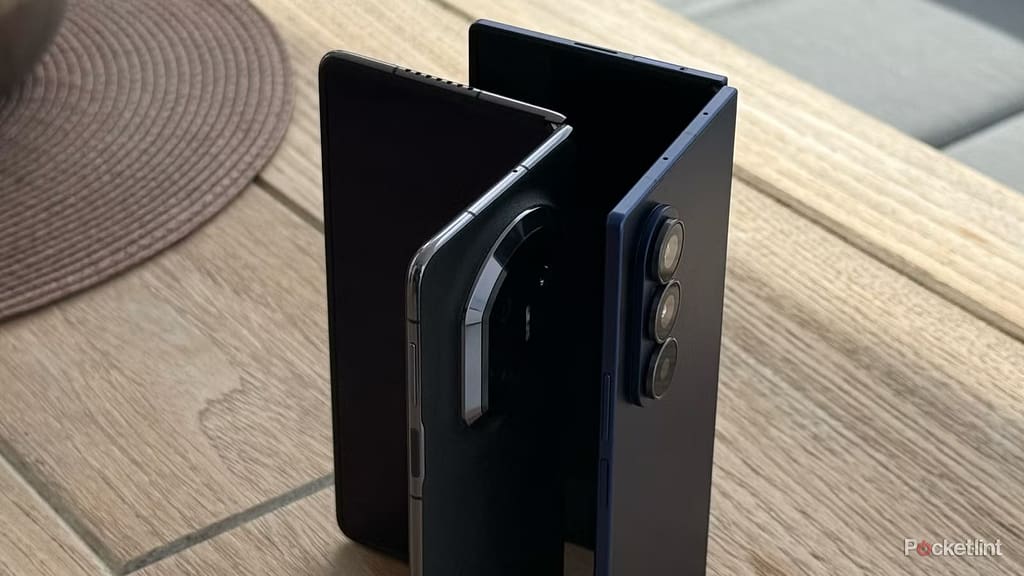
- Price-to-Performance Tradeoff
- Foldables are extremely expensive (often $1,100–$2,000+).
- Despite the high cost, they often lag behind candybar phones in specs like processors and cameras.
- Buyers may end up paying double for performance that isn’t significantly better.
- Durability Concerns
- Early foldables had fragile hinges and screens; while improved, they’re still more delicate than standard phones.
- Folding screens remain soft, prone to nicks, and show creases over time.
- Even with IP ratings, they’re not ideal for accident-prone users or outdoor adventurers.
- Usability Hassles
- Book-style foldables often push users to rely on the external screen for convenience, making the big inner display less useful day-to-day.
- Flip-style foldables require constant opening for meaningful tasks, which can become annoying.
- The novelty of folding wears off, leaving friction in everyday use.
- High Repair Costs
- More parts mean more potential failures.
- Screen repairs can cost hundreds, sometimes as much as buying a new base model phone.
- Without extended care plans, an accident can be financially devastating.
Bottom Line
Foldables are innovative and may have a bright future, but right now they’re best suited for niche users who truly need the larger screen or unique form factor. For most people, a conventional flagship phone offers better value, durability, and convenience.


