
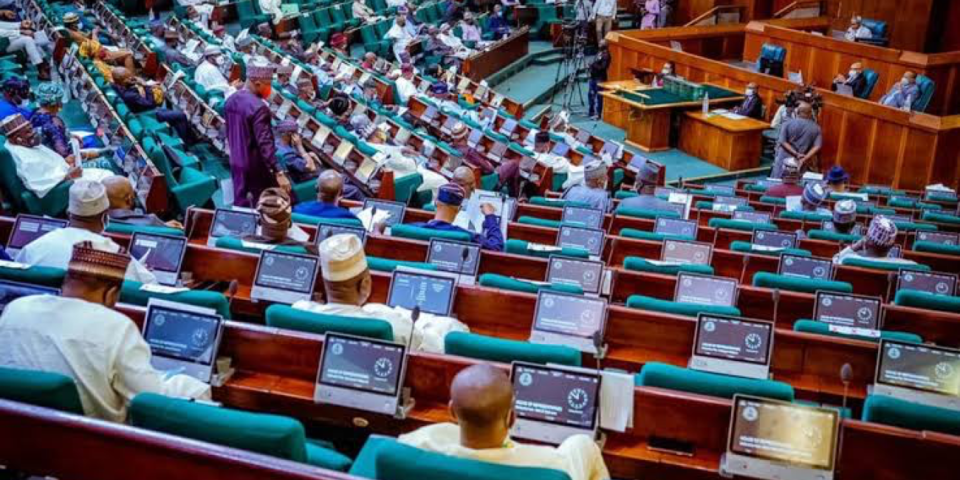
The House of Representatives has passed the Executive Bill seeking to establish state police across Nigeria, bringing the country closer to a major overhaul of its policing architecture as authorities seek new strategies to tackle worsening insecurity.
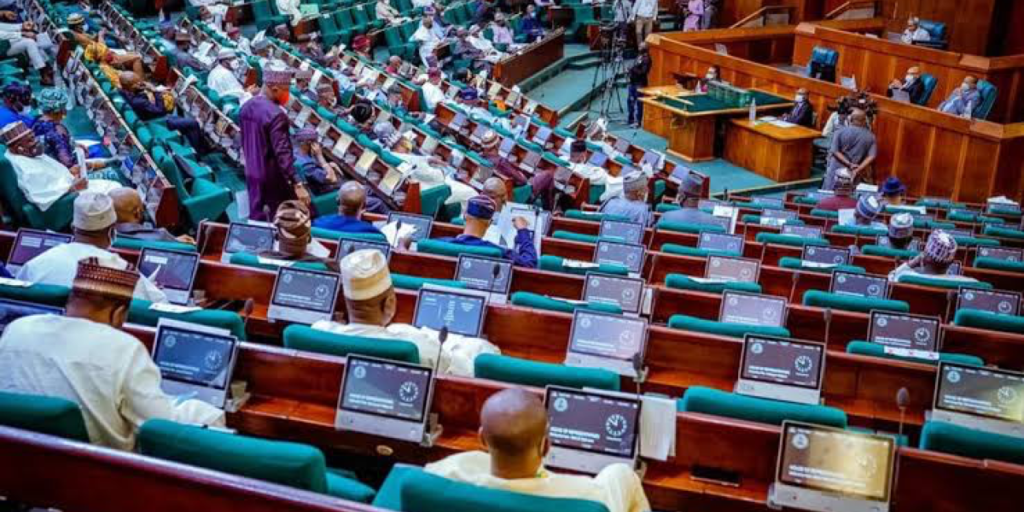
The bill was approved during Thursday’s plenary after lawmakers withdrew the House’s earlier constitutional amendment proposal on state police and adopted the Executive Bill transmitted by President Bola Tinubu instead.
The latest development followed the Senate’s passage of the same proposal, meaning both chambers of the National Assembly have now endorsed the legislation, clearing another hurdle towards the creation of a dual policing system that would allow federal and state police to operate concurrently.
The proposed legislation seeks to amend relevant provisions of the 1999 Constitution to establish a legal framework for states to create and manage their own police services alongside the Nigeria Police Force.
Advocates of the reform have argued that decentralising policing would strengthen intelligence gathering, improve rapid responses to security threats, and enable state governments to address local crime and violence more effectively.
However, critics have warned that state police could be misused by governors for political purposes unless strong constitutional safeguards are put in place.
If the proposal completes the remaining constitutional amendment process and receives presidential assent, it will mark one of the most significant changes to Nigeria’s security structure since independence.
SaharaReporters had reported in June that the Nigerian Senate passed the constitutional amendment bill seeking to establish state police nationwide, describing it as a major step towards restructuring Nigeria’s policing system amid escalating insecurity.
The upper chamber approved the bill after considering and adopting its 26 clauses during the Committee of the Whole, paving the way for subsequent constitutional amendment procedures.
The Senate’s approval came a day after President Bola Tinubu transmitted the Constitution Alteration Bill to the National Assembly, urging lawmakers to amend relevant sections of the 1999 Constitution to accommodate the establishment of state police.
For years, state governors, members of the National Assembly, security experts and civil society organisations have called for the decentralisation of policing, arguing that Nigeria’s centrally controlled police structure has struggled to effectively tackle terrorism, banditry, kidnapping, armed robbery and communal violence across the country.
Before Thursday’s decision to adopt the Executive Bill, the House of Representatives had already passed its own constitutional amendment proposal after an overwhelming majority of lawmakers voted in support of the initiative.
The legislation, titled “A Bill for an Act to Alter the Constitution of the Federal Republic of Nigeria, 1999 to Provide for the Establishment of State Police and for Related Matters (Sixth Alteration) Bill, 2026,” seeks to amend constitutional provisions regulating policing in Nigeria.
President Tinubu has repeatedly expressed support for the establishment of state police, maintaining that state governments require greater authority and operational capacity to confront security challenges within their territories.
Proponents of the reform contend that state-controlled police forces would be more effective because officers recruited locally possess better knowledge of their communities and can respond more swiftly to emerging security threats.
Despite the approvals by both chambers of the National Assembly, the constitutional amendment has not yet become law.
Under Nigeria’s constitutional amendment process, the proposal must still secure the endorsement of the required number of state Houses of Assembly before it can be presented for presidential assent.